Starting your own business has a lot of aspects to consider, but if you have the right product, you are even as much as 80% likely to succeed. Or not?
In researching this article, I thought about the fidget spinner and its incredible success. I thought it was an excellent example of success by product choice. I started digging into the facts. What an incredibly fantastic example it is of what makes a business successful? But not the way you might think.

The history of the fidget spinner tells of failure due to lack of money, success due to the right partnership, failure because of too much money and project creep and, finally, instant success due to finding the right target market.
Many sources say that Catherine Hettinger was the original inventor of the fidget spinner. She patented her design in the 1990’s, sold thousands at markets, but in 2005 she could not scrape the $400 together to renew the patent. To put it bluntly, she was broke. After the success of the fidget spinner that we know and love (or hate) in 2017, she tried to get funding through a Kickstarter campaign to launch her “classic fidget spinner”, but even that struggled.
 Here we have a classic example of someone with a great idea, a product that generated millions and millions of dollars in revenue, but who just could not succeed herself.
You see, my first statement that a great product is 80% of your success is true but also not true. Let’s go back to Catherine. She had a brilliant idea, but somehow nobody believed her and she lost millions in revenue because of that. She probably tried her best but the target market she chose just did not give her the sales she needed to make her business successful.
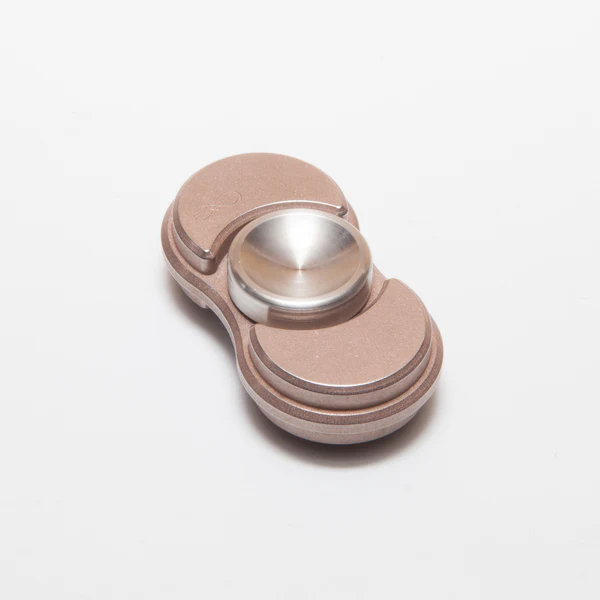 Scott McCoskery, who developed the Torqbar in 2015, was slightly better off than Catherine. He had an existing business with an engineering background which provided a structured business with quality controls and the like. But still he lacked one thing. Someone to sell the product. Paul De Herra partnered with Scott and together they were able to get the wheels of success turning. So much so, that Torqbars reached as high as $400 on eBay, which, at the time, was double its retail value.
But wait, there’s more.
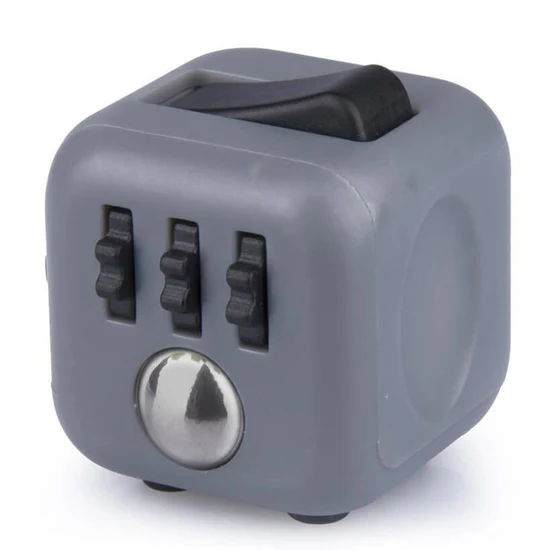
Antsy Labs launched a Kickstarter campaign in 2016 to raise $15000 for their Fidget Cube. The campaign went viral, and they ended up receiving $6.4 million by the end of the campaign. However, even though they had all this funding, they were unable to meet their launch date in October 2016. They finally launched in late December 2016, early January 2017. They had missed the boat. And now, for the best part.
Antsy Labs’ launch delay provided an opportunity for competition from a completely unexpected source. Not only competition, but they nailed it. A seventeen-year-old schoolboy, Allan Maman, couldn’t wait any longer for the Fidget Cube from Antsy Labs. So, he convinced his physics teacher to use the school’s 3D printer to “make a couple of spinners”. It worked. Really well. His classmate, Cooper Weiss, joined him and together they formed a business Fidget360.
They continued to use the school’s 3D printer and started manufacturing spinners and quickly earned hundreds of dollars, just from their fellow students. This motivated them to take their product nationally and they launched a $15 ad campaign on Instagram. Yes, just $15. They made thousands of dollars from that one ad.
After a while, the school threatened to suspend them if they continued to use the printer. So, they bought their own. Eight of them. Eventually they outsourced the injection molding to China in order to be able to meet the demand.
 This is the winning recipe.
Allan had a great idea. It was the perfect time, and he didn’t wait around for his circumstances to change. He improvised. He had some help from a friend. They found the perfect target market. For almost nothing they were able to sell to their target market and generate thousands of dollars of revenue, because everybody in their target market wanted it. $350 000 in just six months in 2017. Phenomenal.
This is the winning recipe.
Allan had a great idea. It was the perfect time, and he didn’t wait around for his circumstances to change. He improvised. He had some help from a friend. They found the perfect target market. For almost nothing they were able to sell to their target market and generate thousands of dollars of revenue, because everybody in their target market wanted it. $350 000 in just six months in 2017. Phenomenal.
The moral of the story? Just because you have a great idea does not mean you will be successful. Just because you have all the business principles and structures in place does not mean you will be successful. Just because you have lots of money does not mean you will be successful.
 Sometimes blind faith and a dogged determination to succeed is what you need.